club foot horse definition
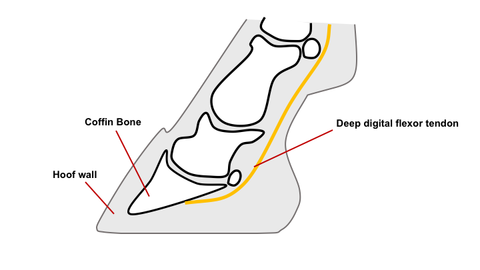
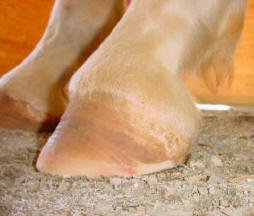
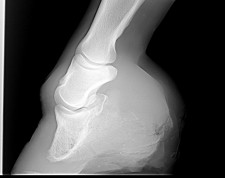
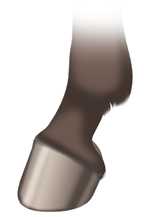
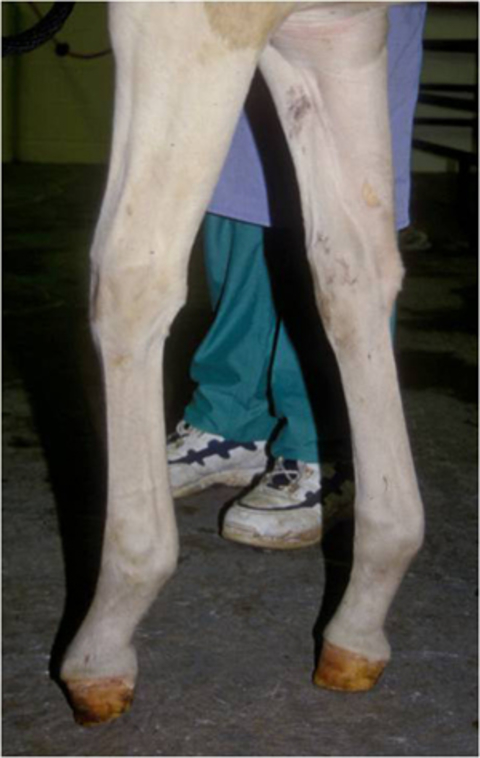
Club foot can occur before or after birth in foals. Horses affected with club foot develop a flexural deformity of the coffin joint due to a shortening of the musculotendinous unit that starts high up in the limb and inserts on the coffin bone in the foot resulting in an upright conformation of the foot.
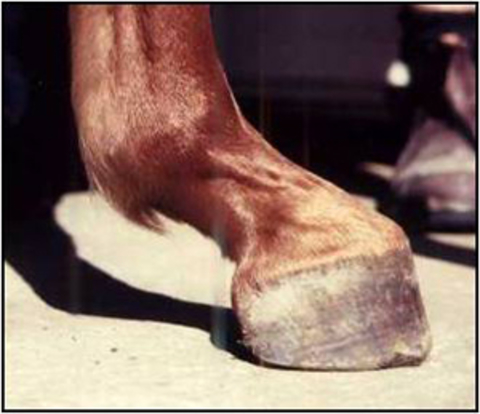
Club Feet In Foals
Even though its a common issue a club foot can actually be a serious issue.

. In clubfoot the tissues connecting the muscles to the bone tendons are shorter than usual. Approximately 50 of cases of clubfoot affect both feet. Compare talipes equinovarus talipes equinus talipes valgus talipes varus.
Many horse owners believe a clubbed foot is a hoof blemish. Many folks have treated it as a hoof problem and worked to make the pair of hooves match each other but it is my opinion. Club foot is defined by the UC Davis Book of Horses as a flexural deformity of the coffin joint resulting in a raised heel.
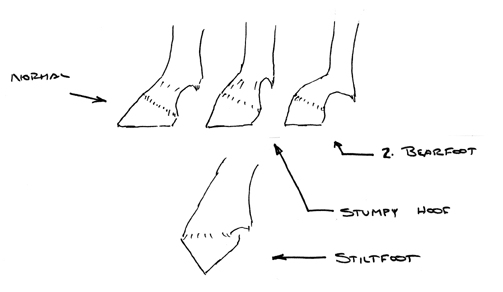
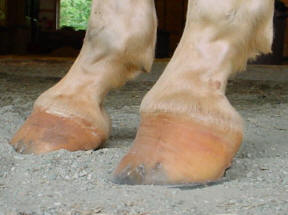
Not to be confused with the club foot deformity of humans. Club feet are highly inheritable although one breed is not more predisposed than another. The affected hoof is usually stumpy with a short toe and long upright heel.
When a club foot is addressed early with nutritional trimming and shoeing changes andor surgery horses can have successful careers. True clubfoot is characterized by abnormal bone formation in the foot. Any of numerous congenital deformities of the foot in which it is twisted out of position or shape.
Be aware that horses that develop a club foot will always have one foot smaller than the other have a weak toe that may need the protection afforded by a shoe if ridden may have limb length disparity are. After birth foals acquire club feet when the bones grow faster than the tendons. Ance of the foot where there is little expansion of the hoof capsule giving a club-like appearance but this is an overly simplistic definition.
If the condition persists after weaning surgery will probably be needed. A club foot is an upright foot caused by a shortening of the tendon and muscle of deep digital flexor unit. While there is no cure proper nutrition and management can make a happy lifestyle for a horse.
Grade 3 club foot has an anterior hoof wall described as dished with the heel twice as wide as the toe. This may lead to pain and. Not to be confused with the club foot deformity of.
An upright foot can be a club foot and vice versa. A club foot alters a horses hoof biomechanics frequently leading to secondary lamenesses. Clubfoot is a fairly common birth defect and is usually an isolated problem for an otherwise healthy newborn.
A normal angle for a. Club foot refers to a tendon flaw that causes the hoof to be very upright. The term club foot actually refers to a congenital defect of the foot and according to The Free Dictionary the medical definition is a condition in which one or both feet are twisted into an abnormal position at birthTrue clubfoot is characterized by abnormal bone formation in the foot In the horse hoof growth is dictated in large part by weight distribution.
Equino-of or resembling a horse and --varusturned inward. Grade 2 has a hoof angle of 5-8 degrees greater and the heel will not touch the ground when trimmed to normal length. There are four variations of clubfoot including talipes varus talipes valgus talipes equines and talipes calcaneus.
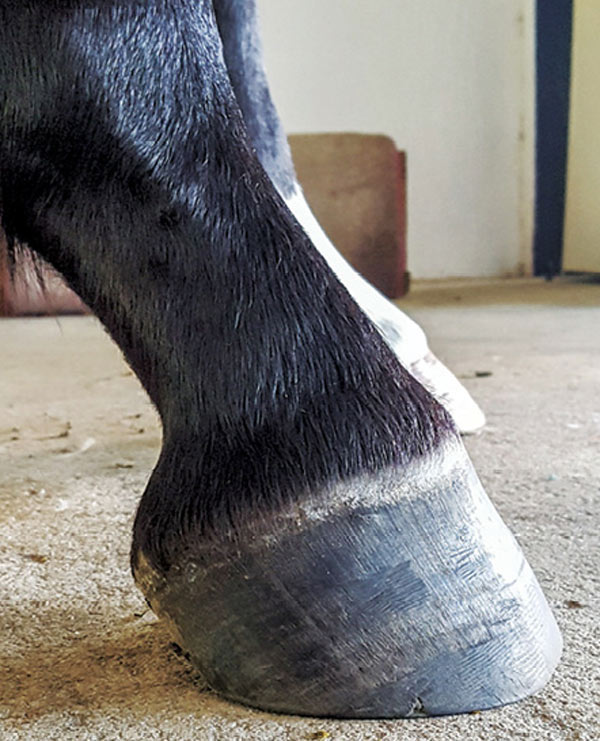
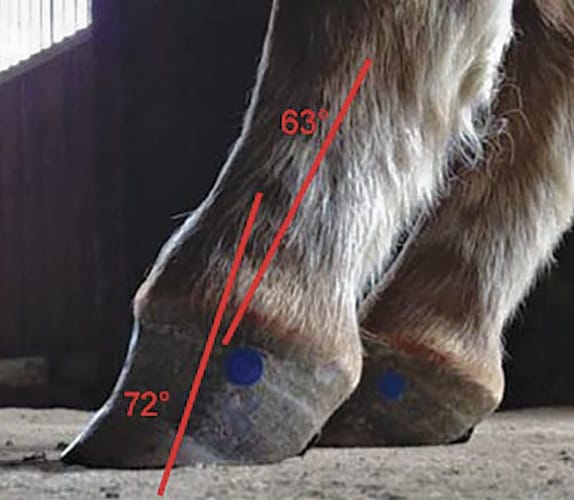
A club foot is an upright foot caused by a shortening of the tendon and muscle of deep digital flexor unit. Often club foot affects both front legs with one being more severe than the other. A club foot horse is typically recognized and defined as having one front hoof growing at a much steeper angle than the other with a short dished toe very high heels extremely curved wall and straight bars.
Grade 1 is 3-5 degrees greater than the opposing foot. The term club foot actually refers to a congenital defect of the foot and according to The Free Dictionary the medical definition is a condition in which one or both feet are twisted into an abnormal position at birthTrue clubfoot is characterized by abnormal bone formation in the foot In the horse hoof growth is dictated in large part by. Contracture of the flexor muscles and deep digital flexor back tendon which attaches to the coffin bone inside the hoof results in the.
In talipes varus the most common form of clubfoot the foot generally turns inward so that the leg and foot look somewhat like the letter J. A foot affected with clubfoot. About half of children with clubfoot have it in both feet.
Most of the time it is not associated with other problems. Medical Definition of clubfoot. A club-footed horse is defined by most people as a horse with one hoof that grows more upright particularly at the heel angle than its mate on the other side.
Normally were talking about the front pair of hooves. Unlike other farm animals the horse is serviceable only when in motionAny abnormal deviation in the structure or action of a horse can render it partly or completely useless. Club foot is a developmental deformity of the foot in which one or both feet are excessively plantar flexed with the forefoot swung medially and the sole facing inward.
Without treatment the foot remains deformed and people walk on the sides of their feet. This is the milder case of club foot. Club foot is one of the most common deformities in the horse world.
This article will explain in-depth the causes treatment and management of a club-footed horse. Clubfoot can be mild or severe. In the past the condition was defined as any hoof angle that exceeded 60 degrees but the reality is not quite that exact.
The clinical presentation in the horse can range from a mildly upright and a small foot to one that is buckled for-ward with an angle greater than 90 at the distal. The affected foot and leg may be smaller than the other. By Heather Smith Thomas.
Club foot is technically known as congenital talipes equinovarus talipes is from Latin talusankle pesfoot. Forced but limited daily exercise is essential to success. The excessive pull on the deep digital flexor tendon DDFT turns the coffin bone downward loading shifts to the toe area and the hoof changes shape in response.
Clubfoot is a birth defect where one or both feet are rotated inward and downward. In a club foot the angle of the hoof and pastern in relation to the ground is abnormally steep. Called also talipes.
The severity determines the grade and course of action. Most horsemen define a club foot as hoof and pastern angle of more than 60 degrees making the foot more upright than normal.

Recognizing Various Grades Of The Club Foot Syndrome
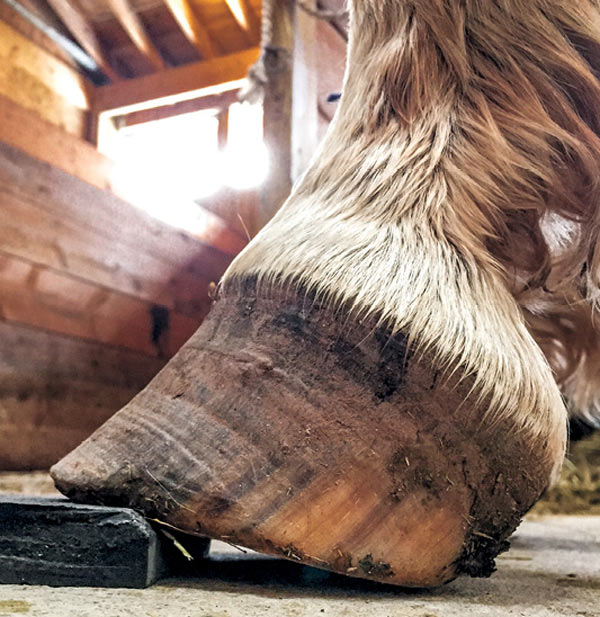
Club Foot Or Upright Foot It S All About The Angles
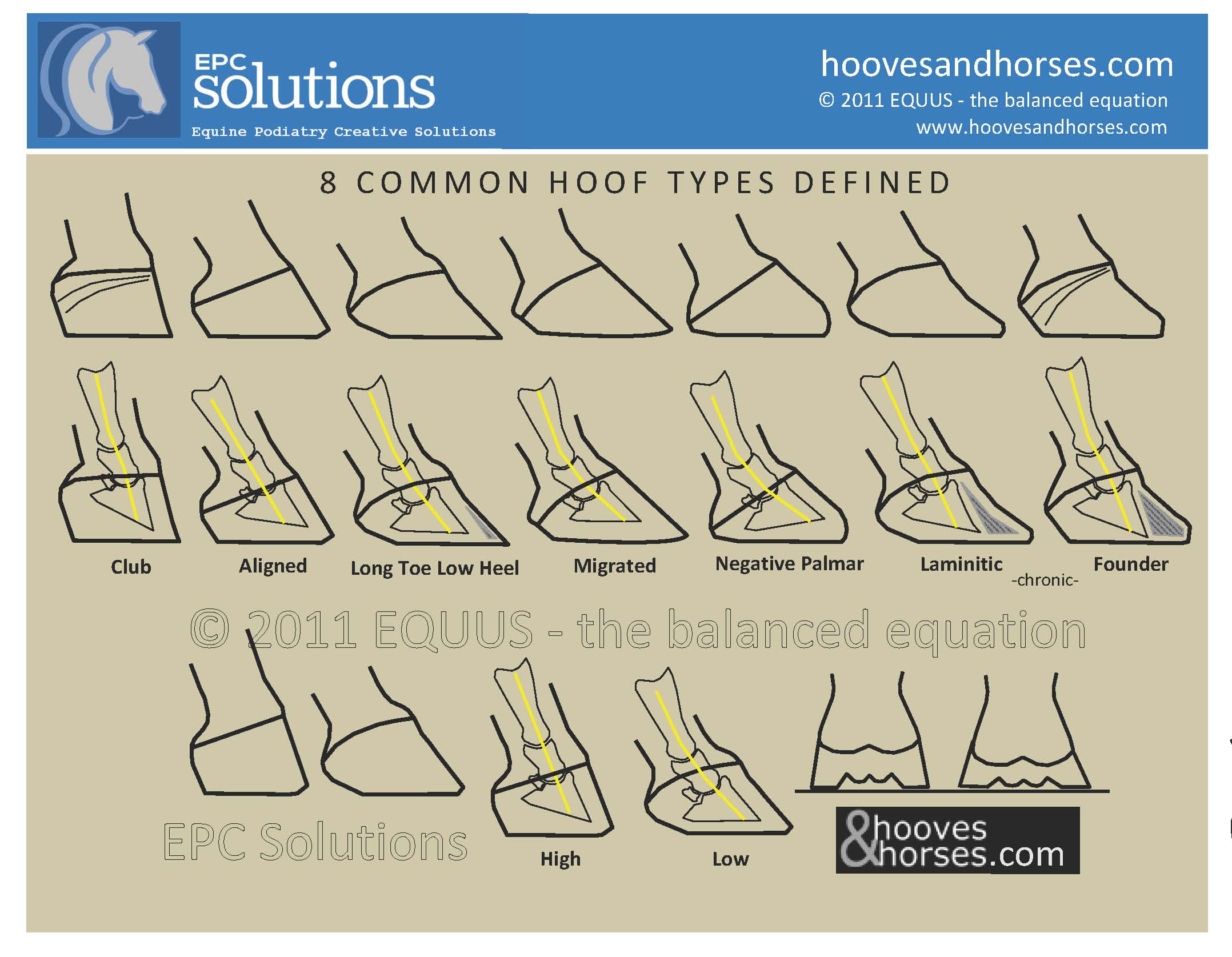
8 Hoof Types Explained
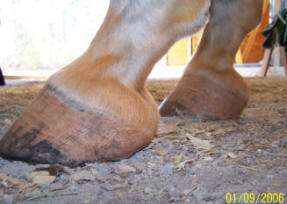
Club Foot
Club Foot Or Upright Foot It S All About The Angles
Club Feet In Foals
Defining And Fixing A Horse S Club Foot
Equine Club Foot
Recognizing Various Grades Of The Club Foot Syndrome

The Club Foot Is It No Big Deal Or A Deal Breaker
Club Foot

Club Foot Or Upright Foot It S All About The Angles
Equine Club Foot

Recognizing Various Grades Of The Club Foot Syndrome
Defining And Fixing A Horse S Club Foot
So Called Club Foot By James R Rooney Dmv
Club Foot
Understanding Club Foot
Club Feet In Foals